
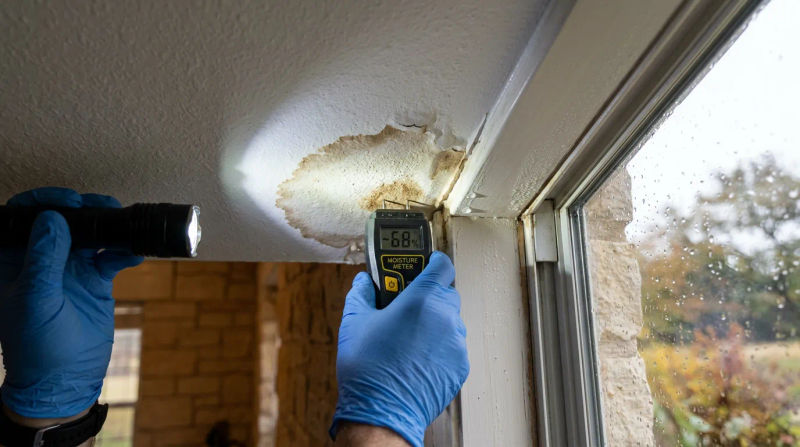
It’s a familiar feeling for many homeowners in McGregor. The first real November rains have passed through, the temperatures are dropping, and you’re settling in for the evening when you notice it - a faint, brownish ring on the ceiling that you swear wasn’t there last week. Or maybe you hear a slow, rhythmic drip-drip-drip coming from the attic that you can’t quite place. After a long, dry summer, the shift to cooler, wetter weather often exposes hidden vulnerabilities in our roofs. As a roof rejuvenation specialist who has been on countless rooftops across McLennan County for the past 12 years, I’ve seen this exact scenario play out time and time again. Those small clues are your home’s way of telling you that water is finding its way inside.
Here in McGregor, our homes endure a lot. Gusty fronts can blow through, lifting the edge of a shingle just enough for wind-driven rain to sneak underneath. The quick temperature swings we experience can cause roofing materials to expand and contract, creating tiny separations around vents and flashing. These subtle issues often go unnoticed until a steady autumn rain arrives, turning a tiny entry point into a visible interior problem. Understanding the early roof leak signs is the key to catching a small issue before it becomes a major headache.
Common Signs and Symptoms
Spotting a roof leak isn’t always as dramatic as a cascade of water. More often, the clues are subtle and easy to dismiss if you don’t know what you’re looking for. My team and I always advise homeowners to do a quick walk-through of their home after a significant storm. Here are the most common indicators that you may have a leak:
- Ceiling or Wall Stains: This is the most classic sign. You might see discolored patches - often yellowish or brown - on your ceiling or high on your walls. These ceiling stains after rain McGregor TX homeowners often see are the result of water slowly seeping through drywall. The stain may feel soft or damp to the touch, and it might appear to grow larger with each storm.
- Peeling or Bubbling Paint: Before a stain becomes visible, you might notice the paint near your ceiling or on your walls starting to bubble, blister, or peel. This is caused by moisture getting trapped between the paint and the drywall.
- Musty Odors in the Attic or Upper Rooms: Your nose is one of the best tools for leak detection. If you notice a persistent earthy or musty smell, especially after it rains, it’s a strong indicator of hidden moisture and potential mold growth. This is one of the most important attic moisture clues for roof leaks.
- Damp Spots Around Interior Fixtures: Pay close attention to areas around recessed lighting, ceiling fans, and bathroom vents. Water often follows the path of least resistance and can drip from the edges of these fixtures.
- Visible Drips or Puddles: While obvious, it’s worth stating. If you see active dripping, try to place a bucket underneath it immediately to minimize interior damage.
- Exterior Clues: Sometimes the first signs are outside. Look for water stains or algae growth on your exterior siding just below the roofline. From the ground, you may also be able to spot shingles that are curled, cracked, missing, or have dark, “wet” looking patches that don’t dry.
- Damp or Compressed Insulation: If you can safely access your attic, take a look at the insulation. If it appears matted down, damp, or discolored, it’s a clear sign that water has been present. Wet insulation loses its R-value and becomes a breeding ground for mold.
What Causes This Problem
A roof is a complex system, and a leak can originate from a number of different failure points. It’s rarely just one “hole.” In my experience, the source of the leak is often far from where the water stain actually appears, which makes tracing it a challenge.
One of the most common culprits I find is failed flashing. Flashing is the thin metal material installed around roof penetrations - things like chimneys, plumbing vents, skylights, and exhaust pipes - and in the valleys where two roof planes meet. Over time, the sealant around flashing can dry out and crack, or the metal itself can corrode or be lifted by high winds, creating a direct pathway for water.
Aged or damaged shingles are another frequent cause. As asphalt shingles age, they lose their protective granules, become brittle, and are more susceptible to cracking or being torn off by the wind. A single missing shingle is all it takes to expose the underlayment to the elements.
Here in McGregor, many of our neighborhoods feature beautiful single-story Ranch-style homes from the 1950s. These homes are wonderful, but their characteristic low-pitch roofs present a unique challenge. Water doesn’t run off a low-slope roof as quickly as it does on a steeper one. During heavy, wind-driven rain, water can be pushed uphill and underneath the shingle overlaps, leading to slow, hard-to-trace leaks.
Finally, debris buildup in your gutters or roof valleys can create dams. When leaves and pine needles clog these channels, rainwater has nowhere to go. It pools up and can easily seep under the edge of your roofing material, causing rot in the underlying roof deck.
When to Call a Professional
While it can be tempting to grab a ladder and some caulk, roof leak repair is rarely a simple DIY fix. The biggest challenge is accurately identifying the source. Water can enter at one point, travel along a rafter or the roof deck, and finally show up as a stain ten feet away. Patching the area directly above the stain often does nothing to solve the actual problem.
This is where the value of professional leak detection McGregor services comes in. An experienced professional knows how to think like water. We have the training and tools to trace the leak from the inside out, safely inspect the roof’s surface, and identify the true entry point without causing further damage. Getting on a roof, especially after it has been raining, is extremely dangerous without the proper safety equipment and experience.
You should call a qualified professional if:
- You see any stains on your ceiling or walls.
- You can’t safely access or are not comfortable on your roof.
- You suspect a leak but can’t find any obvious signs of damage.
- A previous DIY repair has failed to stop the leak.
A small leak left unaddressed can lead to rotted roof decking, saturated insulation, dangerous mold growth, and costly structural repairs. An expert inspection can determine the extent of the problem and recommend the correct, long-term solution.
Conclusion
Your home's roof is its first line of defense against the elements. Those small, seemingly minor signs like a faint stain or a musty smell are early warnings that this defense has been compromised. Paying attention to these clues, especially as we head into the wetter winter months, is crucial for protecting your home and your investment.
Don’t wait for a small drip to become a major disaster. Addressing a leak early saves you money, stress, and prevents the hidden secondary damage that moisture can cause. Take a few minutes after the next rain to check your ceilings and attic. It’s one of the smartest things you can do as a homeowner.
If you notice any of these signs, contact a local roofing professional for an inspection. They can accurately diagnose the problem and give you peace of mind.